What Is Hijama Therapy?
Hijama therapy, commonly known as wet cupping, is a traditional form of cupping therapy that has been practiced for generations in different parts of the world, including the Middle East and Asia. It involves placing cups on the skin to create suction. In wet cupping, the skin is gently punctured after suction has been applied, allowing a small amount of blood to enter the cup.
For many people, Hijama is part of a traditional approach to health and wellbeing. Others choose cupping therapy as a complementary option when dealing with muscle tension, discomfort and certain types of pain.
It is important to understand what Hijama can and cannot do. Current research suggests that cupping may help some people with pain, but the overall evidence is still limited and more high quality research is needed.
This means Hijama should be viewed as a complementary treatment rather than a replacement for appropriate medical diagnosis or treatment.
How Does Hijama Cupping Work?
A typical Hijama session begins with a consultation. The practitioner discusses your concerns and considers the area you want treated. This is particularly important if you are experiencing ongoing pain, as the cause of your symptoms should be considered before any treatment begins.
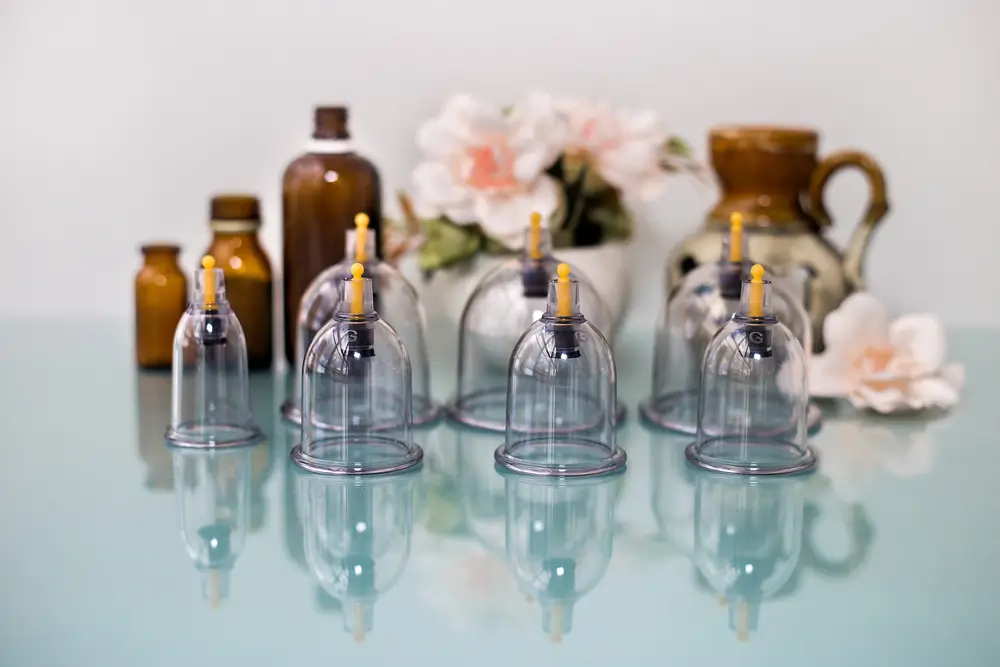
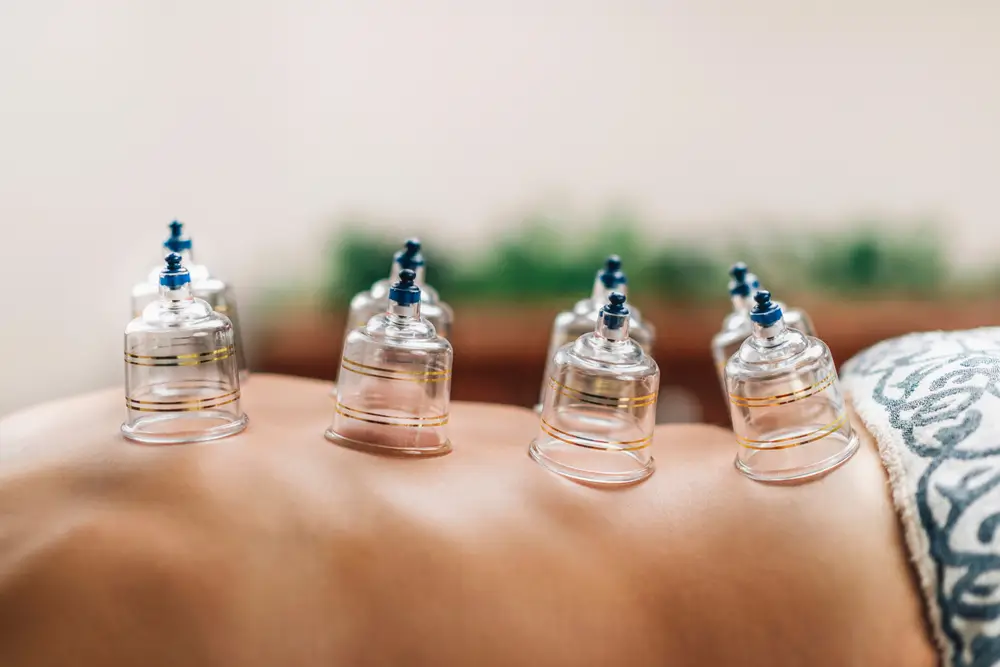
During wet cupping, cups are positioned on selected areas of the body. Suction is then created inside the cups, gently drawing the skin upwards.
The cups may remain in place for a short period. The practitioner then removes the cups and makes small superficial skin punctures before applying the cups again. A small amount of blood may collect inside the cups.
The process is different from dry cupping. Dry cupping uses suction without intentionally breaking the skin, while wet cupping involves superficial skin punctures and blood exposure.
Because wet cupping involves breaking the skin, appropriate hygiene, sterile equipment and safe clinical practices are particularly important.
What Can You Expect During Your First Hijama Session?
If you have never experienced Hijama before, knowing what to expect can make the process much more comfortable.
Your practitioner should first discuss your health concerns and explain the treatment. You should have an opportunity to ask questions before the session begins.
Once the treatment area has been identified, the skin is prepared appropriately. Cups are then placed and suction is created.
During wet cupping, the practitioner performs small superficial skin punctures before applying the cups again. The amount of blood collected can vary from person to person.
After the cups are removed, the treatment area should be cleaned and cared for appropriately.
Temporary circular marks, redness or tenderness can occur following cupping. These marks generally fade with time. However, cupping can sometimes cause more significant problems such as persistent skin discoloration, scarring, burns or infection.
What Are the Potential Benefits of Hijama Therapy?
People seek Hijama for different reasons. Some are interested in traditional wellness practices, while others are looking for complementary support for muscular discomfort or pain.
Cupping has been studied for several pain related conditions. Research suggests that it may help reduce pain in some circumstances, although the evidence is not strong enough to make firm conclusions about its effectiveness for many conditions.
Some people choose Hijama as part of a broader approach to managing:
- Muscle tension
- Back discomfort
- Neck and shoulder tension
- General muscular soreness
- Certain types of musculoskeletal pain
- Recovery following physical activity
It is important not to assume that Hijama can cure a medical condition or remove toxins from the body. Claims surrounding detoxification are often stronger than the available scientific evidence. There is currently limited evidence supporting many commercial detoxification claims.
A responsible practitioner should explain the realistic purpose of the treatment rather than promise guaranteed results.
Hijama Therapy for Pain Relief
Pain is one of the main reasons people explore cupping therapy.
Some individuals choose Hijama when experiencing muscular discomfort or tension in areas such as the back, shoulders or neck. Cupping may be used as one component of a broader pain management approach.
However, persistent pain should always be properly assessed. Pain can have many different causes, and treating the painful area alone may not address the underlying problem.
For example, ongoing lower back pain can sometimes be related to movement patterns, muscle weakness, joint problems or nerve irritation. Similarly, shoulder pain may have several possible causes.
This is why an individual assessment can be valuable before choosing a treatment.
Is Hijama Safe?
Hijama can be safe when performed appropriately by a suitably trained practitioner using proper hygiene and infection control procedures. However, wet cupping carries risks because the skin is intentionally broken.
Possible side effects include temporary marks, bruising, skin irritation, bleeding, scarring and infection. Poorly sterilized equipment can also create a risk of transmitting bloodborne infections.
People with certain medical conditions or health circumstances may need additional assessment before undergoing wet cupping.
If you take medication that affects blood clotting, have a bleeding disorder, have an active skin infection or have another significant medical condition, discuss whether Hijama is appropriate with a qualified healthcare professional before treatment.
Hijama should also never be used to delay appropriate medical care for serious symptoms.
Hijama Therapy and Your Overall Pain Management Plan
One of the most useful ways to think about Hijama is as a complementary treatment that may form part of a wider approach to managing pain and improving physical wellbeing.
Depending on your individual needs, pain management may involve movement, rehabilitation, manual therapy, exercise advice and other appropriate techniques.
This approach can be particularly useful for people who want to address both their immediate discomfort and the factors that may be contributing to recurring problems.
How Pain Management Clinic LDN Can Help
If you are searching for Hijama therapy in London, Pain Management Clinic LDN offers Hijama, also known as wet cupping therapy, as part of its range of pain management and rehabilitation services.
The clinic was founded by Bilal Ahmed, a Pain and Rehabilitation Specialist with more than a decade of experience working within the NHS and private manual therapy industry. The clinic takes a personalized approach, with treatments selected according to the individual’s concerns and requirements.
Pain Management Clinic LDN offers a specific Detox Package combining joint manipulation, infrared heat therapy and wet cupping, also known as Hijama.
The clinic also provides services including manual therapy, sports massage, deep tissue therapy, myofascial release, joint mobilization and manipulation, stretching and rehabilitation
techniques, and infrared deep tissue heat therapy.
This range of services allows the clinic to consider Hijama within a broader pain management and rehabilitation approach rather than treating it as an isolated solution.
The clinic commonly helps clients with lower back pain, sciatica, neck pain, shoulder pain, mid back pain and elbow pain, alongside other mobility and postural concerns.
Every client is assessed individually, allowing the practitioner to discuss your concerns and recommend the most suitable treatment option.
Why Choose a Professional Hijama Practitioner?
Choosing an appropriate practitioner is particularly important for wet cupping because the treatment involves breaking the skin.
A professional setting should place strong emphasis on hygiene, appropriate equipment, safe treatment procedures and clear communication.
Before your session, do not hesitate to ask questions about the procedure, hygiene practices, aftercare and whether Hijama is appropriate for your circumstances.
A good practitioner should also be honest about what the treatment can realistically achieve.
Is Hijama Right for You?
Hijama therapy can be an interesting complementary option for people looking for traditional cupping treatment alongside professional pain management and rehabilitation.
However, it is not suitable for everyone, and it should not be promoted as a cure for every health condition.
If you have persistent pain, unexplained symptoms or a diagnosed medical condition, professional assessment should come first. Hijama may then be considered as part of an appropriate complementary treatment plan when suitable.
If you are looking for Hijama in London, Pain Management Clinic LDN provides personalized wet cupping therapy alongside a wider range of pain management and rehabilitation services.
The clinic is located at Office 18, 132-134 Cranbrook Rd, Ilford IG1 4LZ, United Kingdom. Appointments are required, and the clinic advises clients to contact them directly or book online to check availability.
Book Your Hijama Therapy Appointment in London
If you are considering Hijama for muscle tension, general discomfort or as part of a wider approach to pain management, professional guidance can help you make an informed decision.
Pain Management Clinic LDN combines Hijama therapy with other hands on pain management and rehabilitation techniques, allowing treatment to be tailored to individual needs.
To learn more about Hijama therapy in London, contact Pain Management Clinic LDN on +447930892089 or visit Pain Management Clinic LDN to explore the available services and arrange an appointment.