What Is Sciatica?
Sciatica is a type of nerve pain that usually affects the lower back, buttocks and one side of the leg. It occurs when the sciatic nerve or one of the nerve roots connected to it becomes irritated or compressed. The sciatic nerve is the largest nerve in the body and travels from the lower back through the buttocks and down the back of each leg.
Unlike ordinary lower back pain, sciatica often causes symptoms that travel into the leg, foot or toes. You may experience anything from a mild ache to sharp, burning or shooting pain.
Tingling, numbness and weakness can also occur.
Most cases of sciatica improve over several weeks or months, but persistent or severe symptoms should be assessed by an appropriate healthcare professional.
If sciatica is affecting your ability to work, exercise, sleep or enjoy everyday activities, finding the right approach to pain management can make an important difference.

What Causes Sciatica?
Sciatica occurs when the sciatic nerve is irritated or compressed. One of the most common causes is a herniated or slipped disc. Spinal discs sit between the vertebrae and help absorb shock. If a disc bulges or moves out of its normal position, it can irritate a nearby nerve.
Other possible causes of sciatica include spinal stenosis, where the spaces around the nerves become narrower, spondylolisthesis, certain back injuries and age related changes within the spine.
Certain lifestyle and occupational factors may also contribute to back and nerve problems. Long periods of sitting, poor posture, repetitive movements, heavy lifting and limited physical activity can place additional strain on the lower back.
Identifying what may be contributing to your symptoms is an important part of developing an appropriate sciatica treatment plan.
Common Sciatica Symptoms
Sciatica symptoms can vary considerably between individuals. Some people experience occasional discomfort, while others develop persistent nerve pain that interferes with normal activities.
Common symptoms include:
- Sharp or shooting pain travelling from the lower back or buttock into the leg
- Burning or intense pain
- Tingling or pins and needles
- Numbness in the leg or foot
- Weakness in the affected leg
- Lower back discomfort
- Pain that becomes more noticeable with certain movements
- Symptoms that become worse when coughing or sneezing
Sciatica commonly affects one side of the body. In many cases, the pain in the leg can be more noticeable than the pain in the lower back.
If you have ongoing nerve pain in your leg or symptoms that are affecting your quality of life, professional assessment can help determine the most suitable next step.
How Is Sciatica Diagnosed?
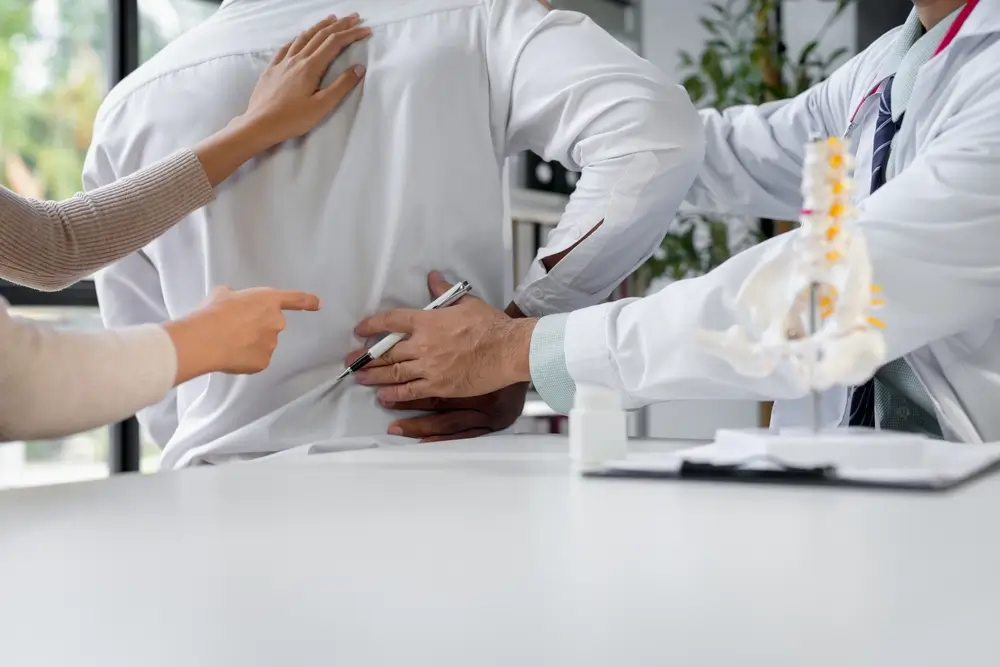
A healthcare professional will generally begin by asking about your symptoms, when they started and what activities make them better or worse. A physical assessment may also be used to evaluate movement, strength and other neurological signs.
An MRI or other form of imaging is not automatically required for every person with sciatica.
NICE guidance recommends considering imaging in a specialist setting when the results are likely to change the person’s management.
This is why a personalized assessment is important. The goal is not simply to identify pain but to understand the factors contributing to it and determine an appropriate management strategy.
Sciatica Treatment Options
The best treatment for sciatica depends on the underlying cause, severity and duration of symptoms. Treatment may involve maintaining normal activities, appropriate exercise, rehabilitation and professional pain management.
Stay Active Where Appropriate
When you are experiencing sciatica, it can be tempting to remain in bed or avoid movement completely. However, NHS guidance recommends continuing normal activities as much as possible and introducing gentle exercise when you are able. Prolonged sitting or lying down may not help recovery.
Appropriate movement can help maintain strength, mobility and confidence. However, exercises should be selected according to your individual symptoms rather than following a generic programmed from the internet.
Physiotherapy and Rehabilitation
Physiotherapy and rehabilitation may be useful components of sciatica management. Treatment can include exercise advice, mobility work, strengthening and hands on techniques where appropriate.
The aim is to help you move more comfortably, improve function and gradually return to your normal activities.
Manual Therapy and Soft Tissue Treatment
Some people with lower back pain and sciatica may benefit from hands on treatment as part of a broader rehabilitation approach.
Depending on the individual assessment, treatment may include techniques such as manual therapy, soft tissue work, myofascial release, joint mobilization and stretching. NICE recommends that manual therapy for low back pain with or without sciatica should be considered as part of a treatment package that includes exercise.
Heat and Other Pain Relief Measures
Some people find heat helpful for managing muscle tension and discomfort. Medication may also be considered depending on your individual circumstances. It is important to discuss medication with an appropriate healthcare professional or pharmacist, particularly if you have other medical conditions or take other medicines.
How Pain Management Clinic LDN Can Help with Sciatica
If you are searching for sciatica treatment in London, Pain Management Clinic LDN provides personalized pain management and rehabilitation services for people experiencing lower back pain and sciatica.
The clinic is based in Ilford, London, and specifically lists lower back pain and sciatica among the conditions it commonly helps clients with.
Pain Management Clinic LDN was founded by Bilal Ahmed, a Pain and Rehabilitation Specialist with more than a decade of experience working within the NHS and private manual therapy industry. His approach focuses on understanding the individual client’s concerns and developing treatment around their specific needs.
Depending on your assessment and requirements, treatment may incorporate manual therapy, deep tissue therapy, myofascial release, joint mobilization and manipulation, stretching and rehabilitation techniques and infrared deep tissue heat therapy.
The clinic’s approach is designed around more than simply providing temporary pain relief. The focus is on helping clients improve movement, restore mobility and work towards longer term improvements.
During your first visit, the clinic states that you will have a consultation to discuss your concerns, followed by a hands on assessment and treatment within the same session, together with personalized aftercare advice.
For someone experiencing persistent lower back pain, restricted movement or symptoms associated with sciatica, having your condition assessed individually can be an important first step towards finding an appropriate treatment approach.
When Should You Seek Urgent Medical Attention?
Although most cases of sciatica improve without emergency treatment, certain symptoms require urgent medical attention.
Seek emergency help if you develop severe or worsening weakness or numbness affecting both legs, numbness around the genitals or anus, difficulty starting urination, inability to control your bladder or loss of bowel control. These can be signs of a serious spinal condition requiring urgent hospital assessment.
You should also seek professional advice if your pain continues for several weeks, becomes progressively worse or prevents you from carrying out normal daily activities.
Take the First Step Towards Managing Your Sciatica
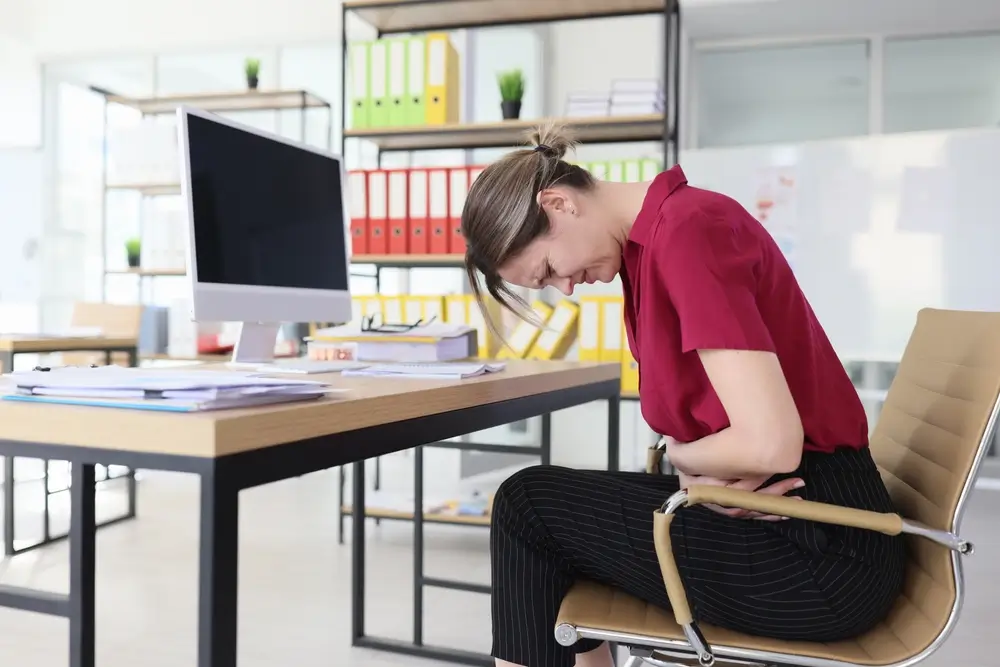
Living with sciatic nerve pain can make everyday activities unnecessarily difficult. Whether you are struggling with lower back pain, shooting leg pain, numbness, tingling or restricted movement, getting the right assessment can help you understand your symptoms and available treatment options.
Pain Management Clinic LDN offers personalized pain management and rehabilitation in London, with treatment tailored to individual concerns and goals. The clinic’s services specifically include support for lower back pain and sciatica, alongside rehabilitation and mobility focused treatments.
If you are looking for sciatica treatment in London and want to discuss your symptoms with a pain and rehabilitation specialist, you can contact Pain Management Clinic LDN to arrange an appointment.
Pain Management Clinic LDN
Office 18, 132-134 Cranbrook Rd, Ilford IG1 4LZ, United Kingdom
Telephone: +44 7930 892089
Appointments are required. You can also visit Pain Management Clinic LDN to learn more about the clinic and its pain management and rehabilitation services.